Land geophysical surveys
Jump to
Expertise
Uncertainty in ground conditions is one of the biggest sources of cost overrun and delay on a build. A robust and clear understanding of the subsurface is essential when it comes to designing, constructing, and maintaining infrastructure assets. It's crucial to be able to identify and mitigate key geo-hazards and ground risks that can stall a programme or force conservative design assumptions that inflate the budget. We deliver expert geophysical investigation services that provide vital geo-data for informed decision-making at every stage of the project lifecycle, from first site screening through to monitoring existing structures. Geophysics gives you a clear, non-intrusive picture of the subsurface before you commit to intrusive works or final design. Our full suite of surface-based and downhole geophysical methods adds value in site screening for geo-risk, general site characterisation, and optimising your ground investigation strategy. Downhole geophysics adds precise geotechnical, geological, and hydrological detail, providing maximum value in data gathered from an intrusive campaign. We also apply our geophysical technology to the built environment, mapping man-made structures and detecting defects, voids, and corrosion. From mapping to modelling, the Fugro team captures all the information you need about your project site. We customise our approach and collaborate with you to ensure we build the right programme around your site and your objectives. Our team of experienced geophysicists, geotechnical engineers and earth scientists specialise in ground engineering, comprehensive geophysical survey services, and site characterisation to support the success of your project. This way, we help you reduce risks, stay on schedule, and within budget.

Rod Eddies
Global lead - Geological and geophysical surveys
More information about geophysical surveys
What is a geophysical survey?
A geophysical survey is a non-intrusive, remote sensing method for assessing subsurface conditions by measuring variations in physical properties of the ground, such as density, seismic (elastic), magnetic, and electrical parameters. Used in geophysical site investigations and geological research, these surveys help identify underground geological structures, geo-hazards, buried objects, assess soil and rock characteristics, and provide in situ data to inform design parameters.
Fugro’s survey and mapping services support both land and marine projects. Our offshore geophysical surveys provide critical data for offshore wind, oil and gas, and subsea infrastructure. Our land geophysical surveys are applicable in a range of environments including urban, coastal, and brownfield sites for construction, energy, and ground infrastructure development or remediation. The data captured through geophysical investigations can be used to help build a robust ground model and inform further intrusive investigative works needed to build the full subsurface picture.
What type of data is derived from geophysical surveys?
Geophysical surveys collect critical subsurface data to support geotechnical investigation, infrastructure development and monitoring, and environmental assessments. These surveys provide insights into:
Subsurface structure and composition; identifying rock formations, fault lines, and sediment layers.
Soil and rock properties; measuring density, porosity, and stiffness to assess ground stability for construction and resource exploration.
Seismic activity and ground movements; detecting potential geohazards, such as earthquake liquefaction potential and subsidence risks.
Groundwater and fluid movement; locating underground water sources and monitoring fluid migration and contaminants to aid environmental planning.
Buried infrastructure and anomalies; mapping pipelines, utilities, and objects that may be hidden beneath the ground.
Assessing the construction and health of existing man-made structures; for example concrete slab construction, road pavements, structural defects, voiding and corrosion.
What are the benefits of geophysical surveys?
Allows for 2D and 3D data coverage to fully understand site variability
Generally non-intrusive methods mean lower environmental site impact
More cost-effective than invasive drilling methods
Rapid results and efficient data gathering over large areas
Improved safety by screening the site prior to boots on the ground works
Better planning and refined scope for site investigations and project design and execution
What types of infrastructure construction projects require geophysical surveying?
Geophysics should be included as part of any required ground investigation for the best possible data on site or structure conditions. Geophysical surveys are very flexible and can be carried out in most types of geology and applied to support project objectives across a wide range of sectors. These include:
Energy infrastructure onshore and offshore
Nuclear projects
Renewable energy including geothermal, hydropower and wind farms
Mining infrastructure
Transport infrastructure including tunnels and bridges
Construction including mega-structures and data centres
Urban development
Utilities
Groundwater monitoring and management
How long does a typical shallow geophysics investigation take?
Duration depends on the methods used, the site conditions, the complexity of the area and the project objectives. Small, accessible sites with simple targets can often be assessed in one or two days, while larger or more complex sites may take weeks to months. Fugro’s geophysical experts can advise on and build an optimised investigation strategy based on site-specific variables.
What type of geophysical survey do we offer?
We provide a range of geophysical survey and mapping techniques to deliver precise subsurface data for geophysical site investigations and geological research. Our key survey methods include:
Seismic refraction and reflection surveys Analysis of elastic waves as they move through layers of geology to detect and map the structure of layers and anomalies.
Multi-channel analysis of surface waves (MASW) measures surface (Rayleigh) wave energy to derive shear wave data to allow assessment of ground stiffness variations.
Ambient noise tomography (ANT) provides a 3D representation of shear wave velocity distribution of the subsurface from which ground risk can be assessed (stiffness variability, geohazards).
Ground penetrating radar (GPR) surveys Employs radar waves to locate and map underground features, such as voids, pipes, cable, foundation and to forensically investigate existing built structures.
Electrical resistivity tomography (ERT) surveys Uses electrical currents to map subsurface resistivity distribution to identify geological layering, geo-hazards such as cavities and solution features and buried objects.
Electromagnetic (EM) methods Assesses electrical properties (conductivity) of the ground to identify buried structures, soil/rock variability, groundwater contamination, landfill and shallow cavities.
Magnetic surveys Detects small changes in the Earth’s magnetic field associated with shallow buried magnetic materials, for example, buried foundations, pipes, cables, UXO and magnetic rock types.
Micro gravity surveys Measures variations in the Earth’s gravitational field to map subsurface density variations associated with weak ground, cavities, fault zones etc.
Borehole wireline geophysical surveys Provides in-situ measurement of geotechnical, geological and hydrological parameters during the borehole investigation phase. This uses techniques such as caliper, televiewer, PS logging, full wave sonic, downhole magnetic resonance, resistivity, formation density, and natural/spectral gamma.
Marine geophysical surveys Conducting geophysical surveys offshore to map seabed conditions for offshore wind farms, cable routes, and oil exploration.
Case study
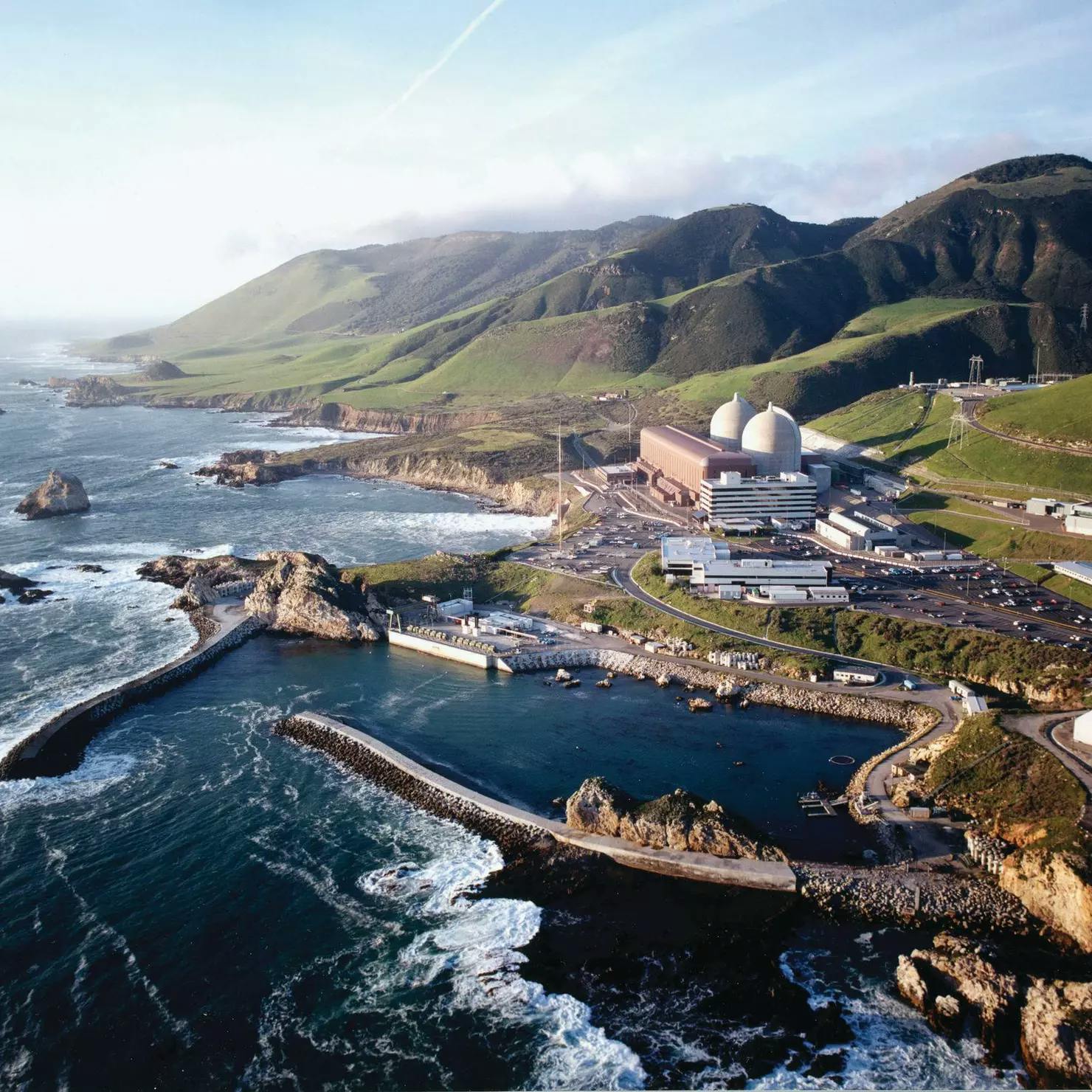
Potential quakes, potential power plant risks: seismic reflection surveys
When a a newly recognised underwater fault was discovered near a California power plant, Fugro was flown in. Our task: discover what kind of quakes and other motions it could generate. Because those could pose a real risk to the power plant.
Case study
Adaptive geophysics boost UK pumped storage development
When challenging terrain ruled out conventional approaches, we found another way, delivering high-resolution subsurface data for the Cruachan 2 project.
Case study
85% faster data collection for nearshore island project
By uncovering hidden geotechnical risks beneath the seabed, we helped lay the foundations for a successful artificial island development in the Arabian Gulf.
Case study
Unveiling power: Coire Glas hydro pumped storage scheme ground investigation
By combining geophysical surveys with targeted ground investigation, we mapped complex geological conditions and helped advance one of the UK's most significant renewable energy developments.
Case study
Ambient noise tomography demonstrates a 50% time-saving screening for pumping station
With tight project timelines and significant subsurface uncertainty, our advanced geophysical surveys provided early-stage insights into cavities, weak rock zones and ground conditions beneath a proposed pumping station in Qatar.
1 / 5
Related news

Related publications
All publicationsContact us
Get in touch for geological and geophysical surveys

Rod Eddies
Global lead - Geological and geophysical surveys

Come join us
Exciting challenges. Unforgettable experiences. Work that helps create a more safe and liveable world. These are a few of the things you’ll find at Fugro. Will you join our global team?